How to Read a Rural East Texas Property Listing (Beyond the Photos)
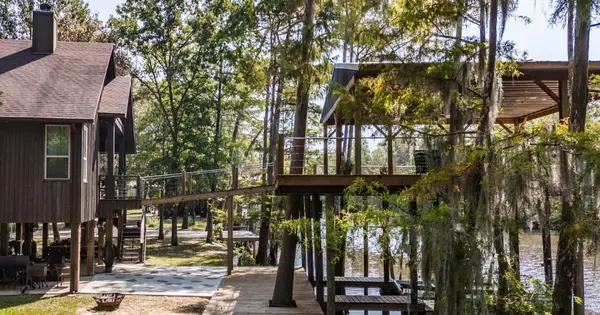
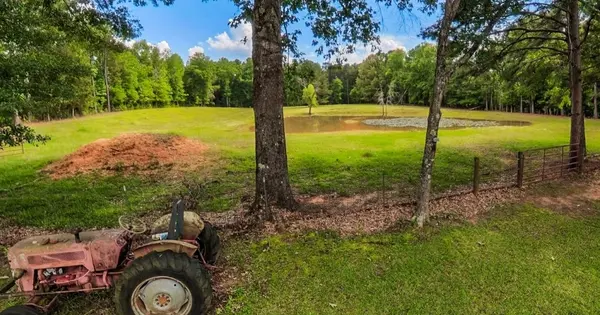
When you’re looking for a home in East Texas, it’s easy to get caught up in the things you can see in the listing photos. Maybe it’s a beautiful house tucked among the trees, a few acres with room for a shop, or a waterfront property near Jefferson and Caddo Lake.
But when you’re buying rural property, there’s more to consider than the house, the acreage, and the view.
The details that matter most aren’t always the ones that show up in the photos. Road access, utilities, septic systems, flood zones, and property rights can all affect how you use the land and what it will cost to own.
If you’re searching for rural homes, acreage, hunting property, or waterfront real estate in East Texas, here are a few things worth looking into before scheduling a showing.
1. Understand the road access
A listing might describe a property as being on a county road, private road, or easement-access road. Those details can make a difference.
County road: Find out whether the road is publicly maintained and whether the property has direct access to it. A road’s name alone doesn’t necessarily tell you who maintains it.
Private road: Ask who owns and maintains the road, whether maintenance costs are shared, and whether there are recorded agreements covering its use.
Access easement: Some properties are reached by crossing another person’s land. In that case, it’s important to understand whether the property has documented legal access and what the easement allows.
You’ll also want to think about practical access. Is the road passable after heavy rain? Is there a low-water crossing? Can construction equipment, delivery trucks, and emergency vehicles reach the property?
Questions to ask:
-
Is access directly from a public road or through a private road or easement?
-
Who is responsible for road maintenance and repair?
-
Are there recorded easements or shared maintenance agreements?
-
Are there seasonal access issues?
A property can look perfectly accessible in photos, but it’s worth understanding both the legal arrangements and the day-to-day realities.
2. Look closely at the utilities
Not every rural property has the same utilities, and having utilities nearby doesn’t necessarily mean they’re already connected.
Electricity: Is electric service already connected to the home or property? If you’re buying vacant land, how far away is the nearest service, and what might it cost to bring power to your intended building site?
Water: Is the property served by a public or cooperative water system, or does it rely on a private well? If there’s a well, ask about its condition, water quality, available records, and any testing that may be appropriate.
Sewer and septic: Many rural homes use an on-site sewage facility, commonly called a septic system. Ask what type of system is installed, whether permits or maintenance records are available, and whether it has been inspected. If you’re buying vacant land, don’t assume a septic system can be installed wherever you want to build. Site conditions and applicable requirements matter.
Internet and cell service: If you work from home or plan to use the property as a weekend rental, connectivity may be more important than you think. Confirm which providers actually serve the address and what service is available.
Questions to ask:
-
Which utilities are currently connected?
-
Is the water supplied by a utility or a private well?
-
What type of septic system is in place, and are records available?
-
Is reliable internet service available at the property?
-
If utilities need to be added, what will that involve?
These details can have a real impact on your budget, especially when you’re buying acreage or planning to build.
3. Pay attention to flood zones and drainage
Flood risk is especially important when looking at rural homes, creekfront property, and waterfront real estate around Jefferson, Big Cypress Bayou, and Caddo Lake.
A listing may identify a property as being in a flood zone, but that information is only a starting point. Flood maps, elevation, drainage patterns, and the location of the home and other improvements all deserve attention.
If you’re considering a property near the water, ask about its flood history, whether the house or other structures have experienced flooding, and whether flood insurance may be required or recommended. You’ll also want to understand whether low areas, access roads, or driveways become difficult to use during heavy rain.
For acreage, pay attention to more than the house itself. A homesite may sit on higher ground while other portions of the property are subject to flooding.
Questions to ask:
-
Is the property located in a mapped flood zone?
-
Has the property or access road experienced flooding?
-
Are there elevation certificates or other relevant records available?
-
Could flood risk affect insurance, construction plans, or future improvements?
Flood-zone information doesn’t automatically make a property a bad choice. It simply means you should understand the risks and costs before moving forward.
4. Find out what happens with mineral rights
Mineral rights are one of those details that can surprise buyers who haven’t purchased rural land before.
In Texas, the ownership of mineral rights can be separate from ownership of the surface. That means buying a property doesn’t automatically guarantee that all mineral rights transfer with it.
The listing may not tell the whole story. Mineral rights may have been reserved by a previous owner, sold separately, or affected by existing leases or other recorded interests.
If you’re purchasing acreage, a hunting property, or land you plan to keep long term, ask what mineral interests, if any, are included in the sale. A title company and, when appropriate, a Texas real estate attorney can help you understand the recorded documents and what they mean for the property.
Questions to ask:
-
Are any mineral rights included in the sale?
-
Have mineral interests previously been reserved or severed?
-
Are there existing mineral leases, wells, or recorded easements?
-
Could any existing rights or agreements affect how I use the surface?
You don’t have to be an expert in mineral ownership to buy rural land. You do need to know what you’re purchasing and which questions need further investigation.
5. Understand what “buyer to verify” really means
You’ll often see phrases such as “buyer to verify acreage,” “buyer to verify utilities,” or “buyer to verify restrictions” in property listings.
It’s easy to read past those words, but they’re worth paying attention to.
In general, “buyer to verify” means you shouldn’t rely solely on the listing information as confirmation of a particular fact. You should independently confirm the details that matter to your plans before completing the purchase.
For example, if you want to build a house and shop on a tract of land, you’ll want to investigate access, utilities, septic feasibility, restrictions, and any applicable permitting requirements. If you’re buying a waterfront property, you may need to look into flood risk, shoreline considerations, access to the water, and any applicable restrictions.
A good real estate agent can help identify questions, gather available information, communicate with the seller or listing agent, and point you toward the appropriate professionals. Your agent can also help you understand which issues need attention early in the process.
Some things, however, require confirmation from a surveyor, title company, septic professional, insurance provider, engineer, attorney, or local authority.
The goal isn’t to make you responsible for figuring everything out alone. It’s to make sure the important details are investigated before you commit.
6. Look beyond the acreage and the asking price
Two properties with the same number of acres can be very different purchases.
One may already have electric service, water, a usable driveway, fencing, and a cleared homesite. Another may need significant work before you can use it the way you envision.
The same is true for rural homes. A house with a shop, acreage, and a private road may sound perfect, but it’s worth looking at the condition of the improvements, the cost of maintaining the property, and any restrictions that could affect your plans.
Before you buy, consider the total cost of making the property work for you. That might include road repairs, utility connections, fencing, a new survey, septic work, insurance, or improvements to an existing home or outbuilding.
If you’re buying land for hunting, recreation, livestock, a future homesite, or a weekend retreat, your intended use should guide the questions you ask.
What should you ask before scheduling a showing?
You don’t need to have every answer before you visit a property. But a few early questions can help you narrow your search and identify issues that deserve a closer look.
Before scheduling a showing, consider asking:
-
How is the property accessed, and who maintains the road?
-
What utilities are available or already connected?
-
What type of water and septic system does the property have?
-
Is any portion of the property in a mapped flood zone?
-
Are there known restrictions, easements, or shared-access agreements?
-
What information is available about the survey and property boundaries?
-
Are mineral rights included, or are there existing reservations or leases?
-
Are there known limitations on building or using the property as I intend?
The answers may lead to more questions, and that’s okay. It’s much better to identify something that needs further investigation early than to discover it after you’ve fallen in love with the property.
Buying rural property in East Texas? Start with the right questions.
One of the best things about East Texas real estate is the variety. You can find country homes with room to spread out, acreage for recreation, hunting land, properties with shops and barns, and waterfront homes around Jefferson and Caddo Lake.
The key is finding a property that fits not only what you want today, but also how you plan to use it in the future.
When you’re looking at rural homes and land, the photos are a great place to start. The details behind the listing are what help you make an informed decision.
If you’re searching for property in Jefferson, Caddo Lake, or the surrounding East Texas area, I’d be happy to help you explore your options, ask the right questions, and figure out what information to gather before you move forward.
Categories
Recent Posts


GET MORE INFORMATION

Realtor License ID: 0751309
+1(903) 578-8585 | scmtexasrealestate@gmail.com