
What Actually Makes a House Sell in East Texas (And What Sellers Waste Money On)
Thinking about selling your East Texas home? Before you spend money on renovations, staging, or upgrades, let's talk about what buyers actually notice—and where your money may be better spent.
If you're getting ready to sell your home, it's easy to start making a list of everything you think needs to be fixed. Maybe the kitchen feels dated. Maybe the bathrooms could use an update. Maybe you've been putting off painting, replacing flooring, or tackling that landscaping project.
And while some improvements can absolutely help a home sell, not every project is worth doing before you list.
In East Texas, the things that matter most can look a little different depending on the property. A home in town, a house on acreage, and a waterfront property each attract buyers with different priorities. The goal isn't to make every home look the same. It's to understand what makes your particular property appealing and prepare it in a way that makes sense.
So before you start spending, here's what I'd want you to think about.
1. Start With What Makes Your Property Special
One of the first things I look at when preparing a home for sale is what makes that particular property stand out.
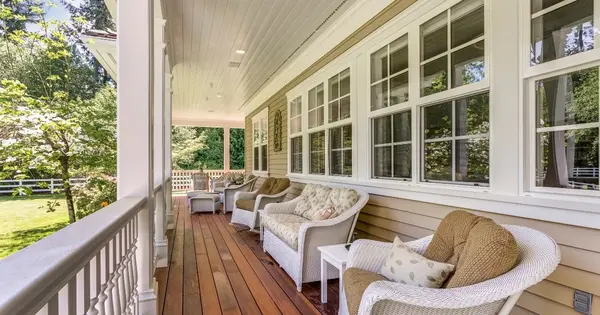
For some East Texas homes, it's the land. Maybe there's room for a garden, a shop, a few animals, or simply space between you and the neighbors. For others, it's a great location in town, a comfortable floor plan, a large back porch, or easy access to the things buyers need every day.
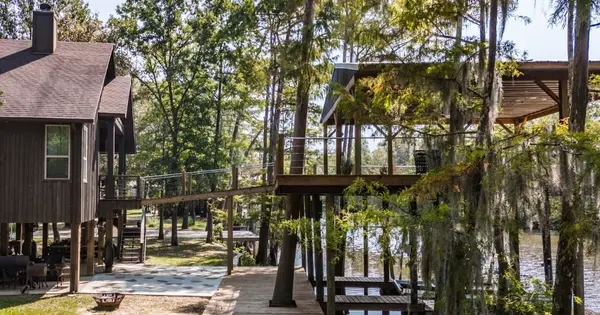
And if you're selling waterfront property, the setting may be a huge part of the appeal. The view, the access to the water, the outdoor living space, and the overall experience of being there can matter just as much as the house itself.
These features are worth highlighting because buyers aren't just comparing bedrooms, bathrooms, and square footage. They're also thinking about how a property will fit their lives.
Before spending money on upgrades, take a step back and ask yourself: What would make someone choose this property over another one?
That answer should help guide your preparation and marketing.
2. Cleanliness Matters More Than You Might Think
This one isn't glamorous, but it makes a difference.
A clean home feels cared for. It gives buyers a better first impression and helps them focus on the property instead of the work they think they'll need to do after moving in.
Pay particular attention to the things buyers notice when they walk through the door:
-
Floors, baseboards, and corners
-
Kitchens and bathrooms
-
Windows and glass doors
-
Ceiling fans, light fixtures, and vents
-
Closets, laundry areas, and storage spaces
-
Pet odors, musty smells, and lingering cooking smells
Smell deserves its own mention. You may have lived with a particular scent for so long that you don't notice it anymore, but buyers might pick it up immediately. Before listing, give the home a thorough cleaning, air it out, and address any lingering pet, cooking, or musty odors rather than simply covering them up.
I also love the little details that make a house feel welcoming. A subtle, pleasant fragrance can add to the experience of walking into a home.
3. Don't Assume You Need a New Kitchen
Kitchens get a lot of attention in real estate, and it's easy to assume that an outdated kitchen automatically needs a remodel before a home can sell.
Sometimes an update makes sense. But a full kitchen renovation is a major expense, and there's no guarantee you'll recover the cost in your sale price.
If your cabinets are in good condition, your layout works, and the kitchen is clean, you may not need to replace everything.
Depending on the home and its likely buyers, smaller improvements might be enough:
-
Replace a dated light fixture.
-
Update cabinet hardware.
-
Repair a dripping faucet.
-
Touch up paint where it's worn.
-
Clean grout and refresh caulking.
-
Remove clutter from countertops.
-
Make sure appliances are clean and presentable.
The same thinking applies to bathrooms. A clean, functional bathroom with a few thoughtful improvements may be perfectly appropriate for the home's price range and condition.
The important thing is to compare your property with similar homes buyers will be considering—not with a completely renovated home that may be in a different price category.
If the homes competing with yours have updated kitchens and yours is significantly dated, that may affect how buyers perceive its value. But that doesn't automatically mean you should spend tens of thousands of dollars trying to match them.
4. Your Photos Are Part of the First Showing
Most buyers will see your home online before they ever schedule a showing. That makes your listing photos an important part of the selling process.
Good real estate photography helps buyers understand the layout, see the property's best features, and decide whether they want to learn more.
But professional photos can't do all the work if the home isn't ready for them.
Before the photographer arrives, think about what each room will look like on camera. Clear off countertops, remove unnecessary items, open blinds where appropriate, and make sure the rooms feel inviting and easy to understand.
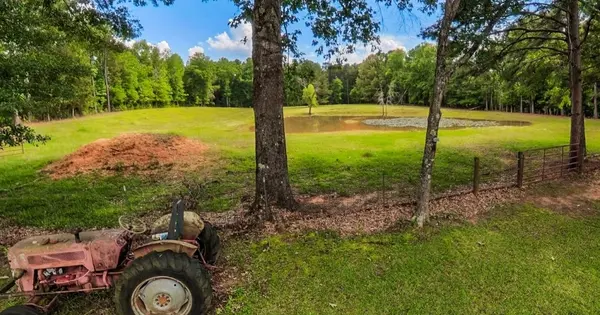
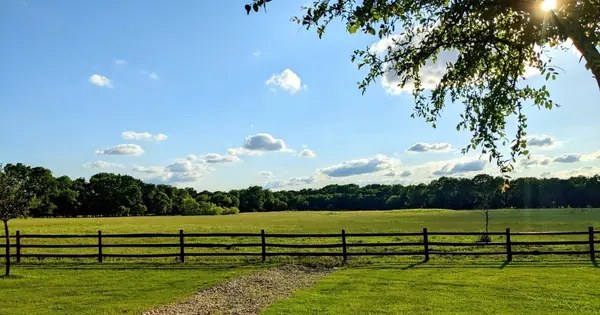
For homes with acreage, outdoor photos matter, too. Buyers may want to see the driveway, yard, outbuildings, pasture, wooded areas, ponds, or other features that make the land useful or enjoyable.
If you're selling a lake property, don't overlook the outdoor spaces and water access that help tell the story of the home.
And remember, photos should accurately represent the property. The goal is to help buyers see it clearly, not create expectations that don't match what they'll find in person.
5. Price Matters More Than the Improvements You Make
This is one of the biggest decisions you'll make when selling your home.
You can have a clean house, beautiful photos, and a long list of updates, but the asking price still needs to make sense to buyers.
That's why pricing should be based on the local market and the homes your property will actually compete against.
A comparable sale—or "comp"—is a recently sold property that helps provide context for your home's potential market value. But not every nearby house is a useful comparison.
A home in a subdivision may not be a meaningful comp for a house on several acres. A waterfront property may need to be evaluated differently from a home that simply has a view. Even two homes with similar square footage can differ significantly in condition, location, layout, and amenities.
And comparing your home to a property in Dallas just because it has the same number of bedrooms or a similar kitchen usually won't tell you much about what buyers will pay in your East Texas market.
The relevant questions are closer to home:
-
What similar properties have recently sold?
-
What homes are currently competing with yours?
-
How does your home's condition compare?
-
What features make it different?
-
What are buyers likely to notice at this price?
Pricing isn't about choosing the highest number that sounds appealing. It's about understanding the market and positioning your home so buyers can recognize its value.
6. Land and Location Can Change the Entire Conversation
In East Texas, the land can be just as important as the house.
For a property with acreage, buyers may be thinking about usable space, access, terrain, fencing, drainage, utilities, and how the land fits their plans. A beautiful home on several acres may attract a very different buyer from a similar-sized home in town.
For a rural property, details such as the driveway, outbuildings, pasture, wooded areas, and water features can be important parts of the overall presentation.
For a home near a lake, buyers may be focused on water access, views, outdoor living, and the experience of spending time there.
This is why preparing an East Texas property for sale isn't always a one-size-fits-all process. The best way to present a house on acreage may be very different from the best way to present a home in a neighborhood.
And for buyers, these are useful things to think about when comparing properties. The listing price is only one part of the decision. The property's location, layout, land, and features all contribute to what it offers.
7. Staging Doesn't Have to Mean Renting a House Full of Furniture
When people hear the word "staging," they sometimes picture an empty house being filled with rented furniture and carefully arranged accessories.
That can be useful in certain situations, but staging doesn't have to be that involved.
For many occupied homes, the most helpful preparation is simply making the space feel open, clean, and easy to walk through.
That might mean removing a few pieces of furniture, clearing off surfaces, packing away personal items, or rearranging a room to make its purpose more obvious.
You don't have to erase every sign that someone lives there. A home should still feel welcoming and comfortable. The goal is to help buyers picture themselves in the space without being distracted by clutter or an awkward layout.
If the home is vacant, staging or thoughtfully chosen furnishings may help buyers understand the scale and purpose of each room. If it's occupied and already presents well, a few small changes may be all that's needed.
The right amount of staging depends on the property, its condition, its price range, and the buyers you're trying to reach.
8. Don't Spend Money Fixing Things Buyers May Not Care About
This is where having a plan can save you time, money, and a lot of frustration.
It's natural to notice every little thing that isn't perfect in your own home. You may have lived with a dated light fixture for years and suddenly feel like it has to go before you can list.
But buyers don't all have the same priorities, and not every small imperfection will affect their decision.
Some repairs are important because they affect safety, function, or the buyer's confidence in the home's condition. Others are mostly cosmetic.
Before taking on a long list of projects, separate them into a few categories:
Take care of the important things. Address known issues that affect safety, basic function, or the property's condition. Be prepared to disclose information as required and discuss concerns with your agent.
Consider the simple improvements. Fresh paint in a tired room, a repaired fence, a deep cleaning, or a little attention to the entry may improve the overall presentation without turning into a major renovation.
Think carefully about expensive upgrades. A full kitchen remodel, luxury finishes, or extensive landscaping may not make sense if the cost is out of proportion to the home's likely market position.
You don't need to make your home perfect. You want to make thoughtful choices that help buyers understand its value.
9. The Best Preparation Plan Is Specific to Your Home
There isn't one checklist that works for every East Texas home.
A house in town may benefit from attention to curb appeal, paint, lighting, and how the rooms flow. A property with acreage may need a closer look at the land, driveway, fencing, and outbuildings. A waterfront home may need a plan that gives buyers a clear sense of the setting and outdoor lifestyle.
The price range matters, too. Buyers shopping for a first home may have different expectations from buyers looking at a custom home or a luxury property.
That's why I like the idea of walking through the home and making a plan before you start spending.
Look at the property as a buyer might. What catches your attention first? What questions might come up? What looks well cared for? What might distract someone from the home's best features?
Then prioritize the work based on what matters most for your specific property and the market you're entering.
A little planning up front can help you avoid spending money on projects that don't meaningfully improve the home's presentation or position.
So, What Actually Helps a House Sell?
There isn't one magic update, one perfect photo, or one pricing trick that guarantees a sale.
A thoughtful selling strategy brings several pieces together: understanding the local market, preparing the property, highlighting its strongest features, presenting it well online, and choosing a price that makes sense for the competition.
For East Texas sellers, that may mean emphasizing the land, the location, the outdoor spaces, the shop, the water, or the practical features that make the property special. For some homes, a few simple improvements and a thorough cleaning may be the right plan. For others, repairs or more substantial preparation may be worth discussing.
And for buyers, those same details can help you look beyond the photos and evaluate what a property really offers.
If you're thinking about selling your home in East Texas, you don't have to figure out every project on your own. I'd be happy to walk through the property with you, talk about what buyers may notice, and help you decide where your time and money are best spent.
Sometimes the best first step isn't picking out new countertops. It's having a conversation about the home you already have.
Categories
Recent Posts




GET MORE INFORMATION

Realtor License ID: 0751309
+1(903) 578-8585 | scmtexasrealestate@gmail.com